Selecting the right motorized mobile storage solutions can be challenging. With various options on the market, it's vital to understand your unique needs. Motorized mobile storage systems are designed to optimize space and improve accessibility. They move easily, allowing you to store more in less space.
When considering these solutions, think about the layout of your facility. The width of aisles and height of shelves are crucial factors. Not all systems fit every space. Additionally, reflect on the items you plan to store. Different materials require tailored mobility solutions. Reliability matters; high-quality motorized systems last longer and require minimal maintenance.
Investigating supplier credentials is essential. Their experience and customer reviews can help gauge the trustworthiness of their products. A professional supplier can offer valuable insights tailored to your specific applications. Take the time to weigh your options. An informed choice leads to more efficient storage and a better working environment.
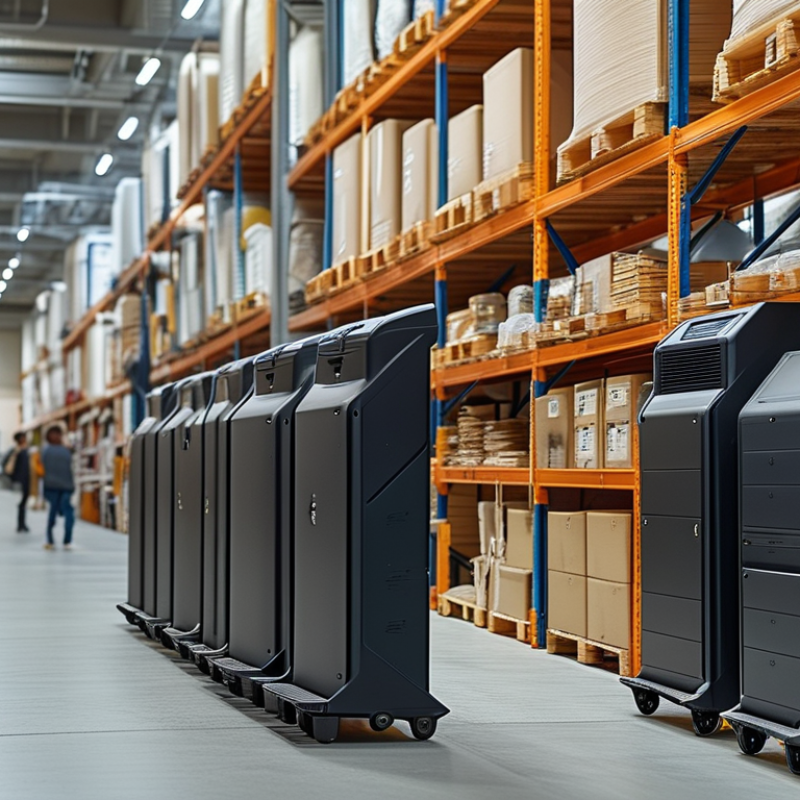
When selecting motorized mobile storage solutions, several factors are critical for making an informed choice. Understanding the available space is essential. Measure area dimensions to ensure seamless movement of storage units. Industry reports indicate that poor space management can waste up to 30% of storage capacity. Analyze workflows to identify how storage can support operational efficiency.
Cost-effectiveness is another vital consideration. The initial investment should be weighed against long-term productivity gains. According to the Storage Solutions Institute, a well-implemented mobile system can increase retrieval efficiency by up to 50%. Consider features like adjustable shelving and load capacities based on the types of items stored. This flexibility can enhance usability over time.
Look into the manufacturer’s reputation and after-sales support. Reliable brands often provide warranties and maintenance services that add long-term value. Remember that not all systems suit every setting. Evaluate the specific needs of your organization carefully.
Consider consulting industry experts who can provide insights based on real-world applications. They may highlight potential pitfalls that aren’t apparent at first glance, such as compatibility issues with existing infrastructure. Always remain open to feedback from staff who will interact with the system daily.
| Feature | Description | Importance Level (1-5) |
|---|---|---|
| Space Efficiency | Maximizes storage in limited areas | 5 |
| Load Capacity | Amount of weight it can safely hold | 4 |
| Ease of Use | User-friendly controls and mechanisms | 5 |
| Durability | Resistance to wear and tear over time | 4 |
| Mobility Features | Wheels and moving components for transport | 3 |
| Safety Mechanisms | Includes locks and failsafe features | 5 |
| Cost-Effectiveness | Value for features offered | 4 |
| Customization Options | Ability to tailor the solution to specific needs | 3 |
: Common types include high-density shelving units and mobile shelving systems. Each enhances efficiency and optimizes space.
Reports show that high-density shelving can boost storage capacity by 50% compared to traditional methods.
These systems can reduce a room's footprint by nearly 30%, helping to free up space for other uses.
Yes, users sometimes face difficulties. Regular checks are needed, which can become burdensome if not managed well.
Motorized systems can lower labor costs by 40%. This reflects efficiency gains through automation and boosts productivity.
Modern motorized systems use 30% less energy than older models, contributing to long-term savings on operational budgets.
Weigh upfront costs against future savings. Infrastructure upgrades may incur hidden costs that should be acknowledged.
Regular maintenance prevents unexpected failures and reduces the risk of costly repairs over time.
Check what support levels are offered. 24/7 support is ideal, but some services may have limitations worth reviewing.
Based on system complexity, simpler setups may need occasional checks. Reflect on your operational pace to determine needs.
When selecting the best Motorized Mobile Storage solutions, several key factors must be considered. These include the type of systems available, which range from simple tracks to sophisticated automated shelving. Assessing space requirements is crucial, as different environments demand varying configurations to maximize efficiency. Furthermore, evaluating the cost-effectiveness of these storage options is essential for making informed decisions that align with budget constraints and operational needs.
In addition to initial assessments, understanding maintenance and support is vital for ensuring long-term functionality of Motorized Mobile Storage systems. Regular upkeep can prevent costly downtimes and enhance the overall user experience. By carefully weighing these aspects, organizations can select the most suitable motorized storage solutions that cater to their specific requirements and optimize their storage logistics.

 Yuanzhang Rack